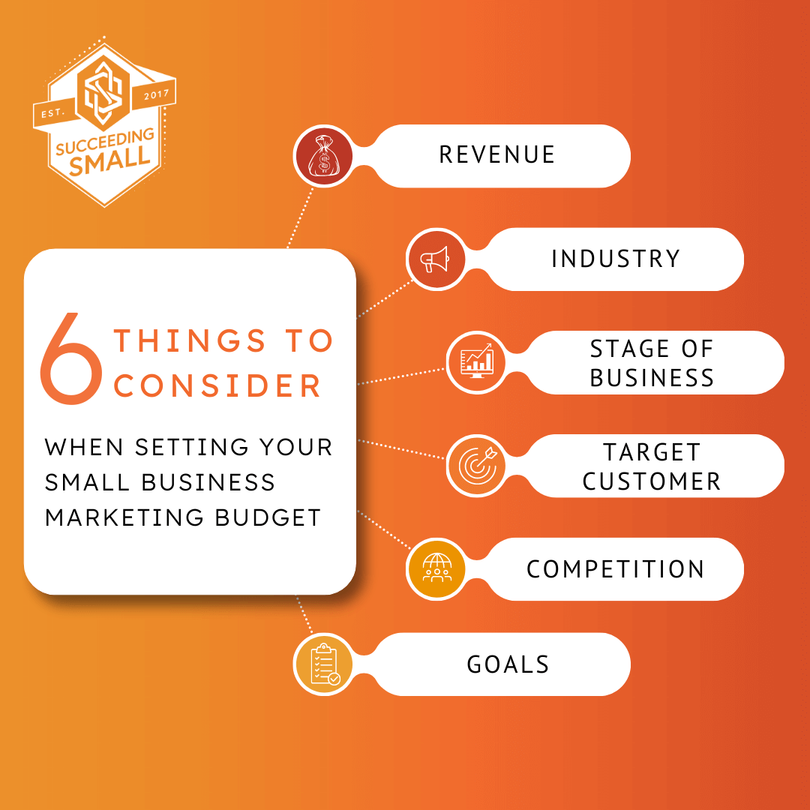

For a small business, marketing decisions are also financial decisions. Every campaign uses money, staff time, or both, and the results are rarely immediate. A sensible plan combines measurable paid activity with lower-cost ways to build awareness, then uses evidence to decide where the next dollar should go. The aim is not to be present on every channel, but to choose activities that reach the right audience and support a business goal.
Start with a business outcome
Before choosing a platform, define what marketing needs to accomplish. “Get more visibility” is difficult to measure; “generate 30 qualified enquiries this quarter” gives a team something to assess. The right measure depends on the business: an online shop may track completed orders, while a local service provider may focus on booked consultations or calls.
Set a baseline as well. Record current enquiry volume, sales, average order value, and the channels customers say they used to find you. These figures will not explain everything, but they help distinguish campaign impact from normal fluctuations. If you cannot connect a channel to a useful outcome yet, start with a small test rather than committing a large share of the budget.
Compare paid and organic activity
Paid advertising can produce visibility quickly, but costs continue as long as campaigns run. Organic promotion may take longer and still requires effort, though useful content can attract attention beyond its initial publication. Most businesses benefit from a mix: paid campaigns can test demand or reach a defined audience, while content and community activity build a longer-term presence.
For paid search, review the full path from click to sale rather than judging an ad by its click-through rate. A campaign can attract inexpensive clicks that rarely turn into customers. A more useful question is whether the resulting leads or sales justify the spend, including the time needed to follow up.
For organic distribution, social bookmarking platforms can give readers another way to save and discover useful pages. They are not a substitute for strong content or a guarantee of search rankings. Their value depends on whether a platform’s audience fits the topic and whether sharing is permitted and relevant. A guide to social bookmarking sites can help marketers review examples and plan where content might be shared.
Know what a conversion costs
One straightforward measure is cost per conversion: total campaign spend divided by the number of conversions attributed to that campaign. If a business spends $600 and records 20 qualified enquiries, the cost per enquiry is $30. That figure is only useful when the conversion is defined consistently and the business understands how many enquiries typically become paying customers.
For example, if one in five enquiries becomes a customer, a $30 cost per enquiry implies an average advertising cost of $150 per new customer, before other marketing and operating expenses. Whether that is sustainable depends on margins, repeat purchases, and customer lifetime value. A low cost per conversion is not automatically good if the leads are unsuitable; a higher cost may be reasonable if customers generate substantial long-term revenue.
Google Ads costs vary with factors such as competition, location, keywords, campaign structure, and landing-page performance. Businesses planning a search campaign can use this Google Ads cost and pricing guide to review the factors behind spend and the Google Ads cost per conversion they should evaluate, rather than relying on a single average.
Build a budget you can learn from
A practical budget separates the cost of media from the cost of producing and managing the campaign. Include ad spend, creative work, landing-page changes, analytics tools, and any outside expertise. If those costs are combined, it becomes harder to tell whether the channel is expensive or whether setup and production are the main investment.
- Protect essentials: Keep enough budget for channels already producing profitable sales or qualified leads.
- Reserve a test amount: Use a limited portion of the budget to try a new audience, offer, or content format.
- Set a review date: Decide in advance when to assess results and what evidence would justify continuing, changing, or stopping.
- Allow for follow-up: Leads have little value if no one responds promptly or tracks their progress.
When specialist help is needed, define the deliverables before hiring: for example, keyword research, campaign setup, a landing-page audit, or a monthly performance report. A freelance marketplace such as Osdire can be one place to compare services across marketing and other categories. Clear scope, agreed milestones, and review of completed work help keep a project accountable, whatever hiring route a business chooses.
Measure, then adjust
Review campaigns on a regular schedule, but avoid reacting to every short-term change. Check whether tracking is working, whether leads match the target customer, and whether the campaign is producing sales at an acceptable cost. Compare results with the original goal and consider seasonal effects or changes in the sales process.
Then make one or two deliberate changes at a time. A revised landing page, narrower geographic targeting, or different content topic may improve results, but changing everything together makes it difficult to identify what helped. Keep notes on each test and its outcome so future budget decisions rely on accumulated learning rather than guesswork.
Conclusion
A balanced marketing budget connects spending to business outcomes. Use paid campaigns for controlled tests and timely reach, support them with relevant organic promotion, and measure conversions in terms of their eventual value to the business. Start with a manageable budget, track the full customer journey, and expand only when the evidence supports it. This approach makes marketing easier to evaluate and helps small businesses grow without treating every new channel as an automatic investment.