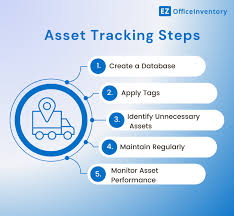

Businesses rely on a wide range of assets to keep daily operations running smoothly. Computers, office equipment, machinery, networking devices, and other resources support employees across departments and locations. As a company grows, keeping track of these assets becomes more complicated, especially when records are maintained manually or spread across different systems.
Missing equipment, outdated asset registers, unnecessary purchases, and delays in locating resources can affect productivity and increase operating costs. These problems may appear minor individually, but they can create significant inefficiencies when they occur repeatedly.
Effective asset tracking helps businesses maintain accurate records, understand where their resources are located, and make better decisions about how those resources are used. When supported by consistent processes and suitable technology, it becomes an important part of improving operational efficiency.
How Asset Tracking Improves Operational Efficiency
1. Reduces the Time Spent Searching for Equipment
Employees lose productive time when they cannot quickly locate the resources they need. This can happen when equipment is moved between departments, stored in different locations, or returned without updating the relevant records.
A centralized asset register helps teams identify an asset’s recorded location, status, and assigned user. When combined with clear procedures for issuing, returning, and transferring equipment, it becomes easier to locate resources and resolve discrepancies.
Consider an organization that regularly provides laptops to new employees. If the IT team maintains an up-to-date record of available devices, it can identify suitable equipment without checking multiple spreadsheets or contacting several departments.
Reducing this administrative effort allows employees to spend more time on their primary responsibilities and less time coordinating routine asset-related tasks.
2. Improves Accountability Across Departments
When assets move between employees, departments, or offices, businesses need a clear record of responsibility. Otherwise, equipment may become difficult to trace, and resolving missing-asset issues can take considerable time.
An effective tracking process records who is responsible for an asset, where it is assigned, and when ownership or location changes. Handover records and periodic verification can further strengthen accountability.
These records also make it easier to investigate discrepancies and identify gaps in existing procedures. Rather than relying on informal communication, teams can follow a consistent process for documenting asset movements.
Clear accountability does not mean treating every discrepancy as employee misconduct. It means establishing reliable records and responsibilities so that problems can be identified and resolved fairly.
3. Helps Prevent Unnecessary Purchases
Businesses sometimes purchase equipment they already own simply because existing resources are not visible to the teams that need them. An unused laptop in one department, for instance, may go unnoticed while another department requests a new device.
Accurate asset records help organizations understand what they have, where it is located, and whether it is available for reassignment. This information supports better purchasing decisions and more effective use of existing resources.
Before approving a new purchase, managers can review available inventory, check the condition of existing equipment, and determine whether a transfer would meet the requirement.
This approach can reduce avoidable expenditure while helping organizations maintain better control over their budgets. It is particularly useful for businesses that manage large equipment inventories or operate across multiple locations.
However, asset tracking alone does not determine whether an asset is suitable for reuse. Teams should also consider its condition, technical specifications, compatibility, and expected remaining useful life.
4. Supports Better Maintenance and Replacement Planning
Equipment that is not maintained properly may become unreliable, interrupt work, or require expensive repairs. Businesses need a clear understanding of asset condition and maintenance history to plan servicing and replacement activities.
An asset tracking system can help teams maintain records of purchase dates, warranties, service events, and equipment condition. When these records are reviewed regularly, organizations can identify assets that require attention.
For example, a facilities team responsible for maintaining machinery can use asset records to identify equipment approaching a scheduled inspection. Similarly, an IT team can review the age and condition of devices to plan phased replacements instead of waiting for several machines to fail unexpectedly.
Maintenance planning should account for actual usage, manufacturer recommendations, operational risk, and repair history. Reliable asset information provides a stronger foundation for these decisions and can help reduce avoidable downtime.
5. Makes Asset Verification More Reliable
Physical asset verification helps businesses confirm that recorded assets exist, are in the expected locations, and match the information in their registers. When records are inaccurate or incomplete, verification can become a time-consuming exercise. Teams may need to investigate duplicate entries, locate missing items, or reconcile differences between physical observations and recorded information.
A structured process makes verification more manageable. Businesses can use unique asset identifiers, standardized records, scheduled checks, and documented procedures for investigating discrepancies.
Organizations seeking to improve their approach can refer to the AssetCues asset tracking guide for information related to asset tracking and maintaining better visibility over business resources.
The practical benefit of a well-maintained tracking process is that discrepancies become easier to identify and investigate. It also helps organizations keep asset information current as equipment is purchased, transferred, repaired, or retired.
Choosing the Right Asset Tracking Approach
The most suitable tracking method depends on the organization’s size, asset types, operating environment, and reporting needs.
A small business with a limited number of assets may initially manage records through a carefully controlled digital register. Larger organizations with frequent asset movements or multiple locations may benefit from dedicated asset tracking software.
Before selecting a solution, businesses should evaluate several factors:
- Centralized records: Can authorized employees access consistent, current asset information?
- Identification methods: Does the solution support the barcodes, QR codes, RFID tags, or identifiers required for the organization’s assets?
- Movement tracking: Can teams record transfers, assignments, returns, and changes in location?
- Verification workflows: Does the process make it easier to compare physical assets with recorded information and investigate discrepancies?
- Reporting: Can managers obtain useful information about asset status, allocation, and lifecycle events?
- Security and permissions: Can access and record changes be controlled according to employee responsibilities?
- Scalability: Will the approach remain practical as the asset inventory and number of locations increase?
The organization should also consider implementation effort, employee training, data migration, ongoing maintenance, and the quality of existing asset records.
A solution with numerous features may not be the best choice if employees find it difficult to use or if it does not address the organization’s actual tracking requirements.
The Role of Digital Skills in Efficient Business Operations
Technology can improve visibility, but businesses also need employees who understand how to manage digital workflows, interpret information, and maintain reliable records. Training is particularly important when teams adopt new platforms or introduce more structured operational processes.
Digital advertising provides one example of why specialist skills matter. Businesses running automated advertising campaigns need professionals who understand campaign setup, audience targeting, performance measurement, and the tools used to manage digital media. Organizations or individuals developing these capabilities can compare the top Programmatic Advertising training providers when evaluating suitable learning options.
Campaign execution also involves practical operational tasks such as trafficking advertisements, implementing tracking tags, checking creative assets, monitoring delivery, and preparing reports. Those looking to develop these skills can evaluate the best Ad Operations training institutes by reviewing course content, practical exercises, and the tools covered.
These advertising disciplines are separate from physical asset tracking, but they illustrate a broader business principle: digital tools deliver better results when supported by capable employees and consistent procedures.
For asset management specifically, employees should know how to record new assets, update assignments, document transfers, conduct verification, and report discrepancies. Short training sessions, clear instructions, and periodic process reviews can help maintain data quality after implementation.
Common Asset Tracking Mistakes to Avoid
Even when a business has an asset register or tracking system, inconsistent practices can reduce its effectiveness. Several common problems deserve attention.
Relying on outdated records: Asset information should be updated whenever equipment is purchased, reassigned, transferred, repaired, or retired.
Using inconsistent identification methods: Duplicate identifiers and inconsistent naming conventions make it harder to match physical items with digital records.
Ignoring asset transfers: Every movement between employees, departments, or locations should follow a defined process that updates the relevant records.
Treating verification as a one-time activity: Periodic checks help organizations identify discrepancies before inaccurate records become difficult to reconcile.
Failing to assign responsibility: Employees should know who is responsible for maintaining records, approving transfers, and investigating missing or damaged equipment.
Collecting information that nobody uses: Asset data should support practical decisions. Businesses should prioritize fields and reports that help them manage resources, meet internal requirements, and plan future needs.
Addressing these issues often requires process improvements as much as technology changes. A simple, consistently followed workflow can be more effective than a sophisticated system with incomplete data.
Conclusion
Effective asset tracking helps businesses improve operational efficiency by making resources easier to locate, strengthening accountability, reducing unnecessary purchases, and supporting maintenance and replacement planning. It also provides more reliable information for asset verification, budgeting, and day-to-day management decisions.
The results depend on more than the software a business chooses. Accurate records, clear ownership, regular verification, and employee participation are essential to maintaining a dependable asset tracking process.
Businesses should begin by identifying their most significant asset management challenges and then select a tracking approach that fits their requirements. By combining appropriate technology with consistent procedures, organizations can make better use of existing resources, reduce administrative effort, and build a more reliable foundation for growth.