
Introduction
Safety is one of the most important aspects of any workplace, construction site, industrial facility, laboratory, or even home environment. Every year, thousands of accidents occur because proper protective equipment is either unavailable, poorly maintained, or used incorrectly. The right safety equipment can significantly reduce the risk of injuries, illnesses, and even fatalities.
Best Safety Equipment refers to the tools, devices, and protective gear designed to safeguard individuals from potential hazards. Whether someone works in manufacturing, healthcare, construction, electrical maintenance, or chemical handling, appropriate protective equipment plays a critical role in ensuring safety and compliance with regulations.
For beginners, understanding safety equipment can seem overwhelming because there are many different categories, standards, and applications. From helmets and gloves to respiratory protection and fall-arrest systems, each type serves a unique purpose. Knowing when and how to use them can make a significant difference in maintaining a secure working environment.
This comprehensive guide explains everything beginners need to know about safety equipment. It covers its importance, selection process, usage guidelines, benefits, potential risks, common mistakes, and expert recommendations. By the end of this article, you will have a clear understanding of how to choose and use safety equipment effectively for maximum protection and workplace safety.
What is Best Safety Equipment?
Best Safety Equipment refers to high-quality protective gear and devices specifically designed to protect individuals from workplace hazards, environmental dangers, and physical injuries. These safety tools create a protective barrier between workers and potential risks, reducing the likelihood of accidents and health problems.
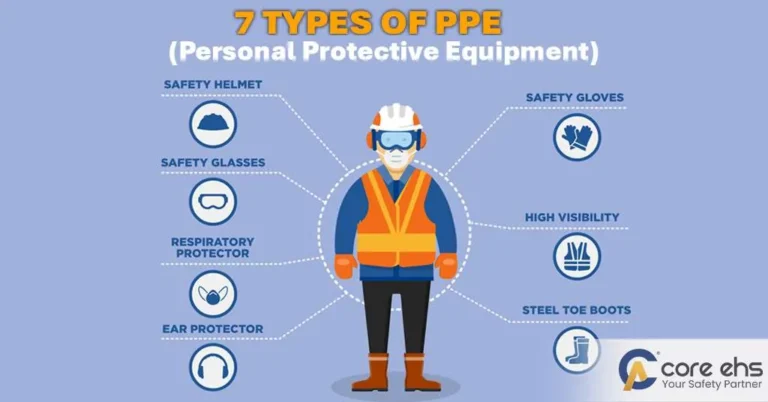
Safety equipment includes personal protective equipment (PPE) such as helmets, safety glasses, gloves, ear protection, respirators, face shields, safety shoes, and protective clothing. It may also include workplace safety systems such as fire extinguishers, safety harnesses, emergency eyewash stations, and warning signs. The purpose of these tools is to provide protection while ensuring workers can perform their duties efficiently and safely.
Why is Best Safety Equipment Important?
Safety equipment is essential because workplace hazards exist in nearly every industry. Construction workers face risks from falling objects, healthcare professionals are exposed to biological hazards, and factory employees may encounter machinery-related dangers. Proper protective equipment helps minimize these risks and prevents severe injuries.
Beyond physical protection, safety equipment supports legal compliance and organizational responsibility. Many governments and regulatory authorities require employers to provide suitable safety gear for workers. Proper implementation reduces accident-related costs, improves employee confidence, increases productivity, and contributes to a positive workplace culture focused on safety and well-being.
Detailed Step-by-Step Guide
Step 1: Identify Workplace Hazards
Before selecting safety equipment, assess potential hazards within the workplace. Consider physical, chemical, biological, electrical, and environmental risks.
Conduct a comprehensive workplace inspection and document all possible threats. Understanding hazards helps determine which protective equipment is necessary.
Step 2: Understand Safety Equipment Categories
Different hazards require different types of protection. Familiarize yourself with major categories of safety equipment.
Common categories include head protection, eye protection, respiratory protection, hearing protection, hand protection, foot protection, body protection, and fall protection systems.
Step 3: Choose Certified Equipment
Always select equipment that meets recognized safety standards and certifications. Certified products undergo testing to ensure reliability and effectiveness.
Look for compliance labels and certifications issued by recognized regulatory bodies. High-quality equipment provides better protection and longer service life.
Step 4: Select the Correct Size and Fit
Proper fit is crucial for effective protection. Equipment that is too loose or too tight may compromise safety and comfort.
Ensure helmets, gloves, respirators, and protective clothing fit correctly. Workers should be able to perform tasks without restrictions while maintaining adequate protection.
Step 5: Train Employees Properly
Providing equipment alone is not enough. Workers must understand how to use, adjust, and maintain safety gear correctly.
Conduct regular training sessions and practical demonstrations. Training helps employees recognize hazards and respond appropriately in emergency situations.
Step 6: Inspect Equipment Regularly
Routine inspections help identify damage, wear, and performance issues before they become dangerous.
Create a schedule for checking helmets, harnesses, respirators, gloves, and other protective devices. Replace damaged equipment immediately.
Step 7: Maintain and Clean Equipment
Proper maintenance extends equipment lifespan and ensures reliable performance.
Follow manufacturer guidelines for cleaning and storage. Dirty or poorly maintained equipment may lose effectiveness and expose users to unnecessary risks.
Step 8: Replace Equipment When Necessary
Safety equipment has a limited lifespan. Over time, exposure to environmental conditions can reduce effectiveness.
Monitor expiration dates and replace worn or outdated equipment promptly to maintain protection standards.
Step 9: Establish Emergency Procedures
Even with proper safety equipment, emergencies can occur. Organizations should have clear emergency response procedures.
Ensure workers know evacuation routes, emergency contacts, and first-aid procedures. Emergency preparedness complements protective equipment.
Step 10: Review and Improve Safety Practices
Workplace hazards evolve over time. Regularly review safety programs and equipment requirements.
Gather employee feedback, conduct audits, and update safety measures as needed to ensure continuous improvement.
Benefits of Best Safety Equipment
Safety equipment provides numerous advantages for individuals and organizations:
- Reduces workplace injuries and accidents
- Protects workers from hazardous conditions
- Enhances employee confidence and morale
- Supports compliance with safety regulations
- Lowers medical and compensation costs
- Improves productivity and efficiency
- Prevents long-term health issues
- Creates a safer work environment
- Reduces equipment-related liabilities
- Strengthens organizational reputation
- Encourages a culture of safety awareness
- Minimizes downtime caused by accidents
- Improves emergency preparedness
- Protects against chemical exposure
- Reduces hearing and vision damage risks
Disadvantages / Risks
Although safety equipment offers significant benefits, certain challenges and risks may arise:
- Initial purchase costs can be high
- Improper use reduces effectiveness
- Poor maintenance can create hazards
- Some equipment may cause discomfort
- Workers may develop overconfidence
- Equipment requires regular replacement
- Training programs require time and resources
- Low-quality products may fail during emergencies
- Improper storage can damage equipment
- Incorrect sizing may reduce protection
- Compliance monitoring can be challenging
- Some workers resist wearing protective gear
Common Mistakes to Avoid
One common mistake is purchasing safety equipment solely based on price. Cheaper products may not meet safety standards and can fail during critical situations. Always prioritize quality, certification, and suitability over cost alone.
Another frequent error is neglecting training. Even the best equipment cannot provide adequate protection if workers do not understand how to use it correctly. Regular training ensures proper usage and improves safety awareness.
Many organizations also overlook routine inspections and maintenance. Damaged helmets, worn gloves, expired respirator filters, and defective harnesses can create serious risks. Regular inspections help identify problems before accidents occur.
Ignoring comfort and fit is another major issue. Workers are less likely to wear equipment consistently if it is uncomfortable. Selecting properly fitted equipment encourages compliance and improves protection.
Finally, failing to update safety procedures can reduce effectiveness. Work environments change over time, and safety measures should evolve accordingly. Continuous assessment ensures equipment remains relevant and effective.
FAQs
1. What is the most important type of safety equipment?
The most important type depends on the workplace environment. Construction workers often prioritize helmets and safety boots, while healthcare workers may rely on gloves, masks, and protective clothing. Hazard assessment determines the appropriate equipment.
2. How often should safety equipment be inspected?
Safety equipment should be inspected before each use and according to a scheduled maintenance program. Frequent inspections help identify wear, damage, and performance issues that could compromise safety.
3. Can safety equipment completely eliminate workplace accidents?
No. Safety equipment significantly reduces risks but cannot eliminate all hazards. Effective safety programs combine protective equipment, training, hazard controls, and safe work practices.
4. Why is proper fit important for safety equipment?
Proper fit ensures equipment functions as intended. Ill-fitting gear may leave exposed areas, restrict movement, or become uncomfortable, reducing both protection and user compliance.
5. What should be done with damaged safety equipment?
Damaged equipment should be removed from service immediately and replaced. Continuing to use defective protective gear can increase the likelihood of injuries.
6. Are employers responsible for providing safety equipment?
In many industries and jurisdictions, employers are legally required to provide appropriate safety equipment and training. Regulations vary by country and industry, but worker protection remains a primary responsibility.
7. How can workers improve safety compliance?
Workers can improve compliance by attending training sessions, following safety procedures, reporting hazards, inspecting equipment regularly, and wearing protective gear consistently.
8. What is PPE?
PPE stands for Personal Protective Equipment. It includes wearable protective items such as helmets, gloves, goggles, respirators, hearing protection, and safety footwear designed to reduce exposure to workplace hazards.
Expert Tips & Bonus Points
Safety professionals recommend conducting regular risk assessments to identify emerging hazards before they lead to accidents. Hazard identification forms the foundation of every successful safety program.
Investing in high-quality equipment often saves money in the long run. Durable products typically provide better protection, require fewer replacements, and improve employee satisfaction.
Create a safety-first culture where workers feel comfortable reporting concerns and suggesting improvements. Employee involvement strengthens workplace safety programs and increases compliance.
Use technology whenever possible. Smart helmets, connected sensors, wearable monitoring devices, and digital inspection systems can enhance safety management and improve hazard detection.
Maintain detailed records of inspections, maintenance, training sessions, and equipment replacements. Proper documentation helps ensure compliance and supports continuous improvement efforts.
Encourage regular refresher training. Safety knowledge can fade over time, and periodic training helps workers remain aware of current procedures and best practices.
Always prepare for emergencies. Conduct drills regularly and ensure emergency equipment is accessible, functional, and clearly marked throughout the workplace.
Conclusion
Safety equipment is an essential component of workplace protection and accident prevention. Whether in construction, manufacturing, healthcare, laboratories, warehouses, or home projects, the proper use of safety equipment significantly reduces risks and promotes a secure working environment. Understanding the different types of protective equipment, selecting certified products, and ensuring proper fit are critical steps toward maximizing safety.
Effective safety practices go beyond simply providing protective gear. Regular training, routine inspections, preventive maintenance, and continuous risk assessments all contribute to a comprehensive safety strategy. Organizations that prioritize safety equipment often experience fewer accidents, lower operational costs, improved employee morale, and stronger regulatory compliance.
For beginners, developing a strong understanding of safety equipment is an investment in personal well-being and professional success. By following the step-by-step guidance outlined in this article, individuals and organizations can create safer workplaces and reduce the likelihood of injuries and health hazards.
Ultimately, the best safety equipment is equipment that is properly selected, correctly used, regularly maintained, and consistently supported by a culture of safety. Prioritizing protection today can prevent serious accidents tomorrow, making safety equipment one of the most valuable investments any workplace can make.