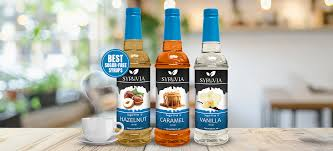

You make the switch to sugar free syrup and something tastes a little off. Or maybe it tastes completely fine and you wonder what all the fuss was about. The experience varies so much from person to person, and from product to product, that it can be hard to know what to expect. The short answer is that some sugar free syrups taste nearly identical to regular ones, while others have a noticeable aftertaste. The difference comes down to one thing above all else: the sweetener used.
Why sugar free syrups taste different in the first place
Sugar does more than just sweeten a drink. It adds body, a certain smoothness, and a clean finish that disappears quickly on the palate. Sweeteners can mimic the sweetness but they do not always replicate the texture or the way sugar fades. That lingering quality some people pick up on is what most people call aftertaste, and it varies significantly depending on which sweetener is used.
Concentration also plays a role. Most sweeteners are far more potent than sugar, so the quantities used are much smaller. When the balance is off, the flavour can feel sharp or unnatural rather than round and satisfying.
The main sweeteners and how they taste
Sucralose
Sucralose is the most common sweetener in mainstream sugar free syrups. It sits very close to sugar in its sweetness profile and works well in flavoured syrups where other ingredients help round out the taste. Some people detect a faint aftertaste, particularly in simpler drinks, but most find it perfectly acceptable.
Stevia
Stevia is plant-derived and has grown in popularity as a natural alternative. The downside is that it can have a bitter or slightly liquorice-like aftertaste, especially at higher concentrations. It tends to work better when blended with other sweeteners rather than used on its own.
Erythritol
Erythritol is a sugar alcohol with a very clean taste and no real aftertaste for most people. The main quirk is a mild cooling sensation on the tongue, similar to mint, which some find unusual. Because it is less sweet than sugar, it is often blended with other sweeteners to reach the right level of sweetness.
Monk fruit
Monk fruit extract is widely regarded as one of the best tasting natural sweeteners available. It has a clean, neutral sweetness with no notable aftertaste for the vast majority of people. The trade-off is cost. Monk fruit is more expensive to produce, so it tends to appear in premium products rather than budget brands.
Allulose
Allulose is the newcomer that has been turning heads. It is the closest thing to real sugar in both taste and texture, with no aftertaste and a similar way of dissolving and behaving in drinks. It is still less widely available than other sweeteners but is becoming more common as awareness grows.
Does the drink type matter?
It matters quite a lot. In milk-based drinks like lattes and flat whites, the difference between regular and sugar free syrups is least noticeable. Milk softens and rounds out the flavour, masking subtle aftertastes effectively. In black coffee, the differences are more apparent, particularly with stevia-based syrups. In cold drinks and sparkling water, where there is nothing to buffer the sweetener, any aftertaste becomes the most pronounced.
If you are new to sugar free syrups, starting with a milk-based coffee drink is the easiest way to ease in. Once you find a brand and sweetener you like, you can branch out from there.
How brand quality affects taste
Not all sugar free syrups are made to the same standard. Budget brands sometimes use higher concentrations of lower-grade sweeteners to hit a price point, which can result in a harsher taste. Better brands invest more in flavour balancing, using blends of sweeteners and natural flavours to get closer to the real thing.
Reading the label is worth the extra thirty seconds. Look for the type of sweetener listed, whether flavours are natural or artificial, and whether the brand uses a blend rather than a single sweetener. A blend is usually a good sign, as it tends to produce a more balanced result.
Tips for finding one you actually enjoy
- Start with sucralose or monk fruit if you are sensitive to aftertaste.
- Try the same flavour from two different brands before writing off sugar free syrups entirely.
- Use slightly less than the recommended amount at first. Sweeteners can be more intense than expected.
- Pair with milk or oat milk if you find the taste too sharp on its own.
- Consider making your own at home using erythritol or allulose for a fresher, more customisable result.
Next Steps
The best sugar free syrups have come a long way. In the right drink, with the right sweetener, most people genuinely cannot tell the difference. The ones that fall short tend to do so because of a cheap sweetener, a poor blend, or simply the wrong pairing with the drink. One bad experience is not a reliable guide to the whole category.
If you have tried a sugar free syrup and been put off, it is worth trying again with a different brand or sweetener type. The gap between sugar free and regular has narrowed considerably, and for most people the small taste trade-off is well worth the reduction in sugar and calories.
Not sure where to start? Try the same flavour in both a regular and sugar free version side by side. You might be surprised by how close they are. Share your findings in the comments below.