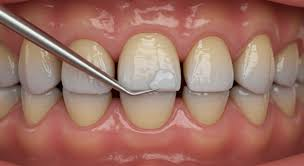

Before committing to any cosmetic dental procedure, it is natural to wonder whether the treatment will leave your teeth better or worse off in the long run. Composite bonding is one of the most popular cosmetic dental treatments available, and the question of whether it causes damage to the underlying tooth structure is one of the most common concerns patients bring to their consultations. The reassuring answer is that when composite bonding is performed correctly by a skilled cosmetic dentist, it is considered one of the safest and most conservative treatments in cosmetic dentistry. Here is what you need to know.
What Is Composite Bonding?
Composite bonding is a cosmetic dental procedure in which a tooth-coloured composite resin is applied directly to the surface of a tooth and shaped by the dentist to improve its appearance. It is used to address a wide range of cosmetic concerns including chipped or cracked teeth, gaps between teeth, discoloration, minor misalignment, and teeth that are shorter or smaller than surrounding teeth. The procedure is typically completed in a single visit, requires no laboratory work, and in most cases involves no removal of tooth structure whatsoever. This minimally invasive nature is one of the key reasons composite bonding has become such a widely chosen cosmetic treatment.
Does Composite Bonding Remove or Damage Tooth Enamel?
In the vast majority of cases, composite bonding does not require the removal of tooth enamel. This is one of the most important distinctions between composite bonding and other cosmetic treatments such as porcelain veneers and dental crowns, both of which require the dentist to remove a layer of tooth structure before the restoration can be placed. Because composite bonding works by adhering directly to the existing tooth surface, the natural tooth is largely preserved.
Before the resin is applied, the dentist treats the tooth surface with a mild etching solution that creates a slightly roughened texture, which allows the composite material to bond more securely. Some patients hear the word etching and assume this means significant damage to the enamel, but the etching process is superficial and does not compromise the structural integrity of the tooth. Research into the safety of this process supports its long-term use in clinical practice. In a small number of cases where the tooth shape needs to be adjusted before bonding, minimal preparation may be required, but this is far less extensive than what is involved in placing a veneer or crown. The reversibility of composite bonding, the fact that the underlying tooth remains largely intact, is one of its greatest advantages.
Can Composite Bonding Cause Tooth Sensitivity?
Sensitivity after composite bonding is possible, though it is not universal, and for most patients who do experience it the sensation is mild and short-lived. For a more detailed look at what the composite bonding process involves from preparation through to aftercare, understanding why sensitivity sometimes occurs helps patients know what to expect and when to seek advice from their dentist.
The etching and bonding process can temporarily affect the dentinal tubules, which are microscopic channels within the tooth that connect to the nerve. When these tubules are exposed or stimulated during treatment, the tooth can become more reactive to temperature changes, resulting in brief sensitivity to hot and cold in the hours or days following the procedure. This is a normal physiological response rather than a sign of damage, and it typically resolves within twenty-four to forty-eight hours as the tooth settles.
Patients who already have sensitive teeth before the procedure may notice a more pronounced response after bonding, and this is worth discussing with the dentist during the consultation so that appropriate precautions can be taken. A skilled cosmetic dentist minimises the risk of post-bonding sensitivity through careful technique, appropriate material selection, and ensuring the bonding is properly cured and polished before the patient leaves the chair. If sensitivity persists beyond a few days or is severe, contacting the dental practice promptly is the right course of action.
Does Composite Bonding Affect the Health of the Tooth?
Properly applied composite bonding does not compromise the health of the underlying tooth. In fact, bonding material applied over a chipped or worn area of the tooth can provide a degree of protection to the exposed tooth structure beneath it. The more significant risk to tooth health after composite bonding comes not from the bonding material itself but from inadequate oral hygiene in the period after the procedure.
Over time, bacteria can accumulate at the junction between the composite resin and the natural tooth, particularly if brushing and flossing are not thorough and consistent. If decay develops at this margin, it can progress beneath the bonding and affect the underlying tooth structure in a way that is more difficult to detect and treat than decay on an unbonded tooth surface. This is why maintaining a diligent oral hygiene routine after composite bonding is not simply good practice but an essential part of protecting the long-term health of both the bonding and the tooth beneath it. Regular dental checkups allow the dentist to monitor the condition of the bonding margins and identify any early signs of concern before they become a more significant issue.
What Happens If Composite Bonding Chips or Breaks?
Composite resin is a durable material but it is not as hard as porcelain or natural enamel, which means it is more susceptible to chipping and breaking under certain conditions. When a bonded tooth chips, the question many patients have is whether the underlying tooth has been damaged in the process. In most cases the chip affects the composite material itself rather than the tooth beneath it, and the natural tooth structure remains intact. The bonding can typically be repaired in a single appointment without the need for extensive preparation or replacement of the entire restoration.
Habits that put excessive force on the bonded teeth significantly increase the risk of chipping. Biting nails, chewing ice, opening packaging with the teeth, and grinding during sleep are among the most common causes of composite fracture. If a chipped bond is left unrepaired, the exposed margin can collect bacteria and plaque more easily, which increases the risk of decay developing at the edge of the restoration. Addressing a chipped or broken bond promptly is therefore important for both the appearance and the health of the tooth.
Can Composite Bonding Cause Long-Term Damage?
The long-term safety record of composite bonding as a cosmetic treatment is well established. The composite resin material used in modern bonding procedures does not cause chemical or biological harm to the tooth structure over time, and decades of clinical use have not produced evidence of material-related damage to healthy teeth. The question of long-term outcomes is more closely related to how the bonding is maintained and replaced over time than to any inherent risk in the material itself.
Composite bonding typically lasts between five and ten years depending on the location of the bonding, the patient’s habits, and how well the bonding is maintained. When the time comes to replace worn or discoloured bonding, the process involves removing the existing resin and applying a fresh layer, a procedure that has a minimal impact on the underlying tooth when performed by an experienced dentist. Patients who undergo multiple cycles of bonding replacement over many years can do so without significant cumulative damage to the tooth structure, provided each application and removal is carried out with care and skill.
How to Protect Your Teeth After Composite Bonding
The steps you take after composite bonding have a direct influence on how long the bonding lasts and how well the underlying tooth is protected during that time. Brushing twice daily with a non-abrasive toothpaste and flossing consistently prevents the buildup of plaque and bacteria at the bonding margins. Avoiding habits that put excessive force on the bonded teeth, including nail biting, chewing on hard objects, and using the teeth to open packaging, reduces the risk of chipping and prolongs the life of the bonding.
Moderating the consumption of foods and drinks that can chip or stain the resin, including very hard foods and highly pigmented beverages such as coffee, tea, and red wine, helps maintain both the integrity and appearance of the bonding over time. If you grind your teeth, discussing this with your dentist before and after bonding is important. Bruxism places significant force on the bonding and can cause premature wear and fracture, and a custom night guard is a worthwhile investment for patients who grind during sleep.
Bottom Line
Composite bonding does not damage teeth when it is performed correctly by a skilled cosmetic dentist. The procedure preserves natural tooth structure, the materials used are clinically safe and well established, and the most significant risks associated with the treatment are related to lifestyle habits and oral hygiene rather than the bonding itself. If you have concerns about the safety of composite bonding for your specific situation, a thorough consultation with an experienced cosmetic dentist is the best way to get personalised and accurate advice before making any decisions about your smile.