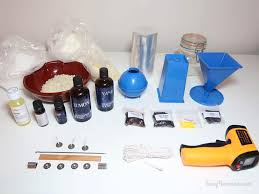

There is something genuinely satisfying about making your own candles. The process is creative, the results are beautiful, and the finished product is something you can use, display, or give as a gift that feels personal and considered. But if you have never made a candle before, the range of waxes, wicks, fragrance oils, and tools available can make it hard to know where to begin. The good news is that getting started does not require a large investment or a complicated setup. Here is everything you need to know to get your first batch underway.
The Essential Supplies Every Candle Maker Needs
Every beginner candle maker needs the same core set of supplies regardless of the style of candle they are making. For a first batch, container candles are the recommended starting point because they are forgiving, straightforward, and produce a polished result without the need for moulds or specialist techniques. The basic supply list covers wax, wicks, fragrance oil, containers, a pouring jug, a thermometer, and a heat source for melting the wax.
Quality matters even at the beginner level. Cheap or poorly sourced materials are one of the most common reasons new candle makers experience frustrating results, including poor scent throw, tunnelling, or candles that do not set evenly. Starting with reputable supplies from a dedicated Australian candle making supplier rather than generic craft store alternatives gives you a much better chance of a successful first pour and a more enjoyable experience from the start.
Choosing the Right Wax
Wax is the foundation of any candle, and choosing the right type for your project makes a significant difference to the finished result. The main options available to home candle makers in Australia are soy wax, paraffin wax, beeswax, coconut wax, and various blended waxes that combine two or more of these.
Soy wax is the most popular choice for beginners and for good reason. It burns cleanly, holds fragrance well, is widely available in Australia, and produces a smooth, creamy finish that looks great in a container. Paraffin wax has excellent scent throw and is very beginner friendly in terms of melting and pouring, though it is a petroleum-based product which some candle makers prefer to avoid. Beeswax is natural and has a beautiful honey scent but is more expensive and less forgiving when it comes to adding fragrance. Coconut wax is soft and luxurious but is typically blended with other waxes for best results.
It is also worth noting that container wax and pillar wax are different products with different melting points, and using container wax in a pillar mould or vice versa will not produce a good result. When starting out, buying one to two kilograms of a quality soy container wax gives you enough to practise with and learn how the wax behaves before committing to a larger quantity.
Selecting the Right Wick
The wick is one of the most important components of a candle and one of the most commonly underestimated by beginners. A wick that is too small for the container will cause the candle to tunnel, leaving wax around the edges that never melts. A wick that is too large will produce excessive smoke, a large flickering flame, and a candle that burns through too quickly.
Cotton wicks are the standard for most container candles and are available in a wide range of sizes to suit different container diameters and wax types. Wooden wicks have become increasingly popular because of their gentle crackling sound and clean burn, though they require a bit more testing to get right. Pre-tabbed wicks, which come with a metal sustainer already attached to the base, are the easiest option for beginners because they are ready to use straight out of the packet.
Choosing the correct wick size requires knowing the diameter of your container and the type of wax you are using. Most suppliers provide wick guides that match wick sizes to container diameters, which is a helpful starting point. Because every combination of wax, fragrance, and container behaves slightly differently, testing more than one wick size before committing to a full production run is always the right approach.
Fragrance Oils and Essential Oils
Scent is what makes a candle memorable, and choosing the right fragrance product for candle making is important. For a broader look at what goes into sourcing quality candle making supplies including fragrance oils suited to different wax types, understanding the difference between fragrance oil and essential oil helps beginners make a more informed choice from the start.
Fragrance oils are the recommended choice for candle making. They are specifically formulated to perform well in wax, have a strong and consistent scent throw, and are available in an enormous range of scents from fresh and citrus to warm and woody. Essential oils are natural and appealing in theory, but many do not perform well in candles. Their scent throw in wax tends to be weaker, they often have lower flashpoints which creates safety considerations, and they are considerably more expensive than fragrance oils for the same volume.
The amount of fragrance oil you add to your wax is called the fragrance load, and it is expressed as a percentage of the wax weight. Most soy waxes perform best with a fragrance load of between six and ten percent. Adding too little results in a weak-smelling candle, while adding too much can prevent the wax from setting properly and may cause the fragrance to pool on the surface. Always check the recommended fragrance load for your specific wax before pouring.
Containers and Moulds
The container you choose affects everything from wick selection to how the finished candle looks on a shelf. Glass jars are the most popular choice for beginners because they are heat resistant, visually appealing, and widely available. Straight-sided jars with a consistent diameter are the easiest to work with because the wick size can be selected based on a single measurement. Tins are another popular option, particularly for travel or gift candles, as they are lightweight and less fragile than glass.
Whatever container you choose, it needs to be genuinely heat resistant and free of any cracks or chips before use. Avoid repurposing containers that were not designed to hold a flame, as these can crack or shatter under the sustained heat of a burning candle. Warming your containers slightly before pouring helps the wax adhere to the sides and reduces the likelihood of sinkholes forming as the candle cools.
Equipment and Tools
Beyond the core consumable supplies, a small collection of tools makes the candle making process much smoother. A dedicated pouring jug with a handle and a pour spout gives you control when transferring hot wax into containers. A digital thermometer is essential because adding fragrance oil at the wrong temperature, either too hot or too cold, affects how well the scent binds to the wax. A double boiler setup or a dedicated wax melting pot keeps the wax away from direct heat, which reduces the risk of scorching.
A set of kitchen scales is one of the most useful tools a candle maker can have. Measuring wax and fragrance oil by weight rather than volume produces consistent results from batch to batch. A heat-resistant spatula for stirring and a heat gun for smoothing surface imperfections after the candle sets round out the basic toolkit. None of these items need to be expensive, but having them before you start rather than improvising during the pour makes the whole process more enjoyable.
Safety Supplies and Best Practices
Candle making involves sustained heat and flammable materials, and taking safety seriously from the start is non-negotiable. Keep a fire blanket or extinguisher accessible in your workspace and never leave melting wax unattended on a heat source. Work on a clear, stable surface away from anything flammable, and wear heat-resistant gloves when handling hot equipment. Always check the flashpoint of your fragrance oils before use and add them to the wax at the correct temperature. Dispose of wax residue carefully and clean your equipment thoroughly after each session.
Final Word
Starting candle making at home is more accessible than it might seem. A manageable list of quality supplies, a safe workspace, and a willingness to test and learn as you go is all it takes to produce candles you will genuinely be proud of. Begin with a simple soy container candle, take notes on each batch, and adjust from there. The more you pour, the better your results will become.