Your credit score is a three-digit number with an outsized job: it influences whether you can borrow, what that borrowing costs, and sometimes whether you get the flat or the job. Yet most people meet their score as a mystery — a number that moves for reasons nobody explained. Understanding your credit score removes the mystery. A score is just a compressed summary of your borrowing history, built from five known ingredients in known proportions. Learn the ingredients and you learn exactly which of your habits the number is rewarding, and which it is quietly taxing.
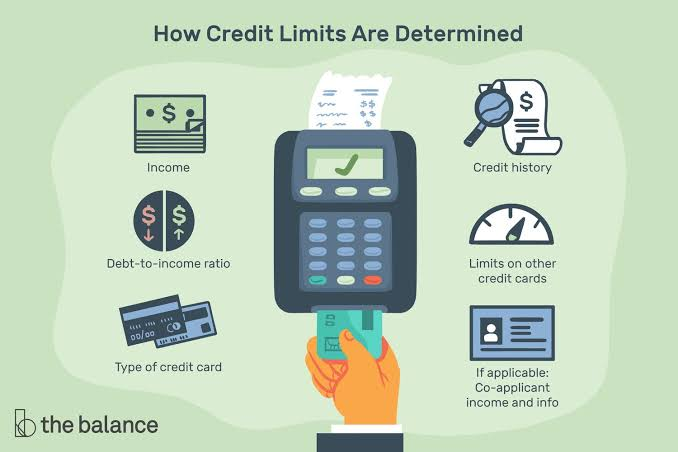
The Five Ingredients, In Order of Weight
Scoring models differ in detail, but the classic recipe is consistent. Payment history — roughly a third of the score — records whether you pay on time; it is the single heaviest ingredient, because past reliability is the best predictor lenders have. Amounts owed — roughly another third — includes how much you owe overall and, critically, your utilisation: the share of your available credit you are using. Length of history rewards older accounts and patience. Credit mix — a small slice — notes whether you handle different types of credit (cards, loans, mortgage) responsibly. New credit — the smallest slice — watches how often you apply. Memorise the order and you already know where effort pays: payments first, utilisation second, everything else is seasoning. It pairs naturally with the starter habits in our guide to how to build credit responsibly.
Payment History: The One Rule That Dominates
A single late payment, thirty days past due, can cost a good score dearly — and it stays on your record for years, fading slowly. Conversely, an unbroken run of on-time payments is the most powerful score-builder that exists, and it is entirely mechanical: automate at least the minimum payment on every account, on every date, forever. Automation converts your most important financial habit from a memory test into infrastructure. If you are already late, pay now rather than at the next statement — lates are recorded in thirty-day bands, and stopping a 30-day late becoming a 60-day late matters. And if a genuine error appears on your report (a payment marked late that was not), dispute it: you are entitled to accuracy, and corrections of real errors are among the few fast score improvements available.
Utilisation: The Fastest Lever You Own
Utilisation — balances divided by credit limits — is the ingredient that moves quickest, because it is recalculated as balances are reported, usually monthly. Running a card at 90% of its limit reads as strain even if you pay in full; the same spending against a limit five times larger reads as ease. Practical levers: pay balances down before the statement date (the statement balance is what gets reported), ask for credit-limit increases on cards you handle well (a higher limit lowers utilisation without any new debt — and without spending a penny), and spread necessary spending across cards rather than maxing one. Many guides suggest staying under 30%; lower is better, and people with top scores typically use under 10%. This is the one part of your score you can often improve within a single month.
What Does NOT Move Your Score (Common Myths)
Checking your own score never harms it — soft inquiries are invisible to the calculation; only applications for credit (hard inquiries) register, and even those cost little and fade within a year or so. Your income, savings and job title are not in the formula — a high earner can have a terrible score and a modest earner a superb one, because the score measures borrowing behaviour, not wealth. Paying rent and utilities does not usually build your score (they are not credit), though some newer services report them — while missing them can still hurt you through collections if things go wrong. Closing a paid-off card is not automatically good: it shrinks your available credit (raising utilisation) and can shorten your average account age over time. And carrying a balance “to build credit” is a pure myth with an interest bill attached — paying in full builds the same history for free.
Reading Your Report, Not Just Your Score
The score is the summary; the credit report is the evidence, and you are entitled to see it. Read it at least annually for the three things that matter: accounts you do not recognise (identity theft announces itself here first), payments marked late that were not, and old debts that should have aged off. Errors are common enough that checking is a genuine financial habit, not paranoia. Disputes are free and handled through the reporting agencies with your documentation attached. Also learn to ignore small score movements: a ten-point wobble between months is the system breathing — balances reported on different days, an inquiry aging — and chasing it leads people to fiddle with a machine that rewards, above all, boring consistency.
Building From Low or Zero
A low score and no score are different problems with similar cures. From zero: a secured card or a starter card used for one small recurring purchase and paid in full monthly builds real history within six to twelve months; becoming an authorised user on a well-run account can help too. From low: the order of operations is stop the bleeding (automate minimums, bring accounts current), then utilisation down, then time — there is no legitimate shortcut, and any service selling rapid repair is selling something the law gives you for free (disputes) or something that does not exist. Scores rebuild on a horizon of months and years, which is exactly why starting the boring habits today beats starting them perfectly next year.
The Bottom Line
Understanding your credit score means knowing it is a behaviour summary with a recipe: pay everything on time by automation, keep utilisation low, let accounts age, apply sparingly, and read the underlying report for errors. None of it is secret and none of it is fast — which is precisely why it works. The score is not judging your worth or your wealth. It is grading a handful of habits, and habits, unlike luck, are yours to set.