
Personal finance has become more important than ever in 2026 as people face rising living costs, changing job markets, and increasing financial responsibilities. Managing money wisely is no longer just a skill but a necessity for long-term stability. From budgeting to saving and investing, personal finance decisions directly impact quality of life and future security.
In today’s fast-paced world, financial discipline is essential for achieving personal goals such as buying a home, starting a business, or planning retirement. With the help of digital tools and better financial awareness, individuals now have more control over their money than ever before.
Importance of Budgeting in Personal Finance
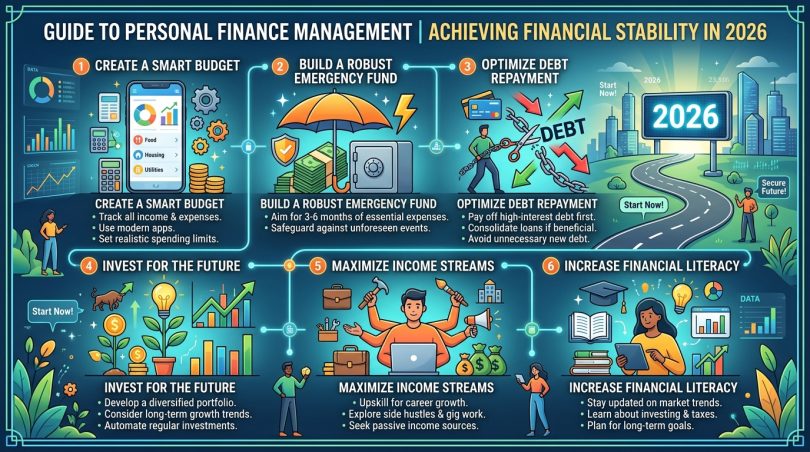
Budgeting is the foundation of personal finance management. It helps individuals track their income and expenses, ensuring that spending does not exceed earnings. A well-planned budget provides clarity and control over financial decisions.
In 2026, budgeting has become easier with mobile apps and digital tools that automatically track expenses. These tools help users identify unnecessary spending and improve financial habits over time.
Building an Emergency Fund
An emergency fund is essential for financial security. It acts as a financial backup during unexpected situations such as medical emergencies, job loss, or urgent repairs.
Experts recommend saving at least three to six months of living expenses in an emergency fund. This ensures that individuals can handle financial crises without relying on loans or credit cards.
Saving Strategies for Long-Term Goals
Saving money is a key part of personal finance. Whether it is for education, travel, or retirement, long-term savings help achieve financial goals without stress.
Automated savings plans and digital banking tools make it easier to set aside money regularly. Even small, consistent savings can grow significantly over time through discipline and planning.
Smart Investment Planning
Investing is an important step toward growing personal wealth. Common investment options include stocks, mutual funds, real estate, and fixed deposits. Each option carries different levels of risk and return.
In 2026, digital investment platforms have made it easier for beginners to start investing. These platforms provide guidance, analytics, and easy access to global markets.
Debt Management and Financial Control
Managing debt is crucial for maintaining financial stability. High-interest loans and credit card debt can quickly become a financial burden if not handled properly.
Effective debt management involves paying off high-interest loans first and avoiding unnecessary borrowing. Financial discipline helps individuals maintain a healthy credit score and long-term stability.
Role of Digital Finance Tools
Digital finance tools are transforming personal finance management. Mobile apps help users track expenses, set budgets, and monitor investments in real time.
These tools also provide insights into spending habits, helping users make better financial decisions. Automation has made personal finance more organized and efficient.
Importance of Financial Literacy
Financial literacy is the ability to understand and manage money effectively. It includes knowledge of budgeting, saving, investing, and debt management.
In 2026, financial literacy is becoming more important as financial systems become more complex. Educated individuals are better equipped to make smart financial decisions.
Retirement Planning for the Future
Retirement planning is a long-term financial goal that ensures stability in later life. It involves saving and investing money during working years to secure future income.
Starting early is key to successful retirement planning. Even small contributions can grow significantly over time through compound interest and smart investments.
Managing Income and Expenses Balance
Maintaining a balance between income and expenses is essential for financial health. Overspending can lead to debt, while underspending may limit quality of life.
A balanced financial approach ensures that individuals can enjoy life while also saving for the future. Monitoring expenses regularly helps maintain this balance.
Financial Discipline and Lifestyle Choices
Financial discipline plays a major role in personal finance success. It involves making conscious decisions about spending and avoiding unnecessary expenses.
Lifestyle choices such as avoiding impulsive purchases and focusing on needs over wants can significantly improve financial stability over time.
Future of Personal Finance Management
The future of personal finance is becoming more digital and automated. Artificial intelligence and financial apps are helping individuals manage money more efficiently.
As technology continues to evolve, personal finance management will become easier, smarter, and more accessible for everyone.
FAQs
What is personal finance management
It is the process of managing income, expenses, savings, and investments to achieve financial stability.
Why is budgeting important in personal finance
Budgeting helps track spending and ensures financial control.
How much should I save in an emergency fund
Experts recommend saving three to six months of expenses.
What are the best investment options for beginners
Stocks, mutual funds, and fixed deposits are common beginner-friendly options.
Why is financial literacy important
It helps individuals make informed and smart financial decisions.
Conclusion
Personal finance management in 2026 is essential for achieving financial stability and long-term success. With proper budgeting, saving, investing, and discipline, individuals can secure their future and reduce financial stress. By using modern digital tools and improving financial knowledge, anyone can take control of their money and build a strong financial foundation.