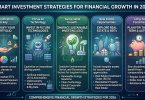

Building wealth is not only about earning more money but also about developing smart financial habits that support long-term stability. In 2026, financial success depends on how well individuals manage their income, control expenses, and make informed decisions. With rising costs and changing economic conditions, smart money habits have become essential for everyone who wants financial independence.
Wealth building is a gradual process that requires discipline, consistency, and patience. People who develop strong financial habits early are more likely to achieve their financial goals such as buying property, starting a business, or securing a comfortable retirement. Small daily decisions can have a big impact over time.
Tracking Every Expense
One of the most important money habits is tracking every expense. Many people lose control of their finances because they do not know where their money is going. Tracking expenses helps identify unnecessary spending and improve financial awareness.
In 2026, digital tools and mobile apps make it easier than ever to monitor spending. These tools automatically categorize expenses and provide detailed reports, helping users understand their financial behavior clearly.
Living Below Your Means
Living below your means is a simple but powerful financial habit. It means spending less than you earn and saving the difference. This creates financial stability and reduces dependency on credit or loans.
People who adopt this habit are better prepared for emergencies and long-term goals. It also helps avoid financial stress and builds a strong foundation for future investments.
Automating Savings
Automating savings is an effective way to build wealth consistently. By setting up automatic transfers from income to savings accounts, individuals can save money without thinking about it.
This method ensures discipline and removes the temptation to spend extra money. Over time, automated savings can grow into a significant financial reserve.
Avoiding Impulse Purchases
Impulse buying is one of the biggest obstacles to financial growth. Many people spend money on unnecessary items without planning, which weakens their financial position.
Developing patience and waiting before making purchases can help control this habit. A simple rule like waiting 24 hours before buying something can reduce unnecessary spending significantly.
Investing Early and Regularly
Investing early is one of the most effective wealth-building strategies. The earlier you start investing, the more time your money has to grow through compound interest.
Regular investments, even in small amounts, can lead to substantial long-term returns. In 2026, digital investment platforms make it easy for beginners to start investing with minimal effort.
Building Multiple Income Sources
Relying on a single source of income is risky in today’s economy. Building multiple income streams provides financial security and increases earning potential.
These income sources can include freelancing, side businesses, rental income, or digital work. Diversifying income helps reduce financial stress and improves stability.
Setting Clear Financial Goals
Having clear financial goals is essential for success. Without goals, it becomes difficult to stay motivated or track progress. Goals can include saving for a house, retirement, or education.
Breaking long-term goals into smaller steps makes them easier to achieve. This approach helps maintain focus and consistency in financial planning.
Reducing Unnecessary Debt
Managing and reducing debt is an important financial habit. High-interest debt can slow down wealth-building efforts and create long-term financial pressure.
Paying off debts on time and avoiding unnecessary borrowing helps improve credit scores and financial health. Responsible debt management is key to financial freedom.
Improving Financial Knowledge
Financial knowledge plays a major role in building wealth. Understanding how money works, including savings, investments, and taxes, helps individuals make better decisions.
In 2026, financial education is more accessible through online courses, blogs, and mobile apps. Continuous learning improves financial confidence and decision-making.
Staying Consistent with Habits
Consistency is the most important factor in building wealth. Even small financial habits can create big results if followed regularly over time.
Staying disciplined and avoiding shortcuts ensures steady financial growth. Wealth building is a long-term process that rewards patience and consistency.
FAQs
What are smart money habits
They are financial behaviors that help individuals save, invest, and manage money effectively.
Why is tracking expenses important
It helps identify spending patterns and improve financial control.
How can I start investing with little money
You can start through digital platforms that allow small investments in stocks or funds.
What is the benefit of multiple income sources
It provides financial security and reduces dependency on a single job.
How long does it take to build wealth
Wealth building is a long-term process that depends on discipline and consistency.
Conclusion
Smart money habits are the foundation of financial success in 2026. By tracking expenses, saving regularly, investing early, and maintaining discipline, anyone can build long-term wealth. Financial freedom is not achieved overnight but through consistent and informed financial decisions that grow over time.